
Among the traditional regions of Bangladesh, Raipura Upazila of Narsingdi district is especially known for its history, culture, and distinguished people. The soil of this land is fertile, and the talents of its people are equally bright. In the fields of education, literature, politics, culture, and social service, the people of Raipura have made glorious contributions. Their work and achievements are not limited to the local level but have made Raipura known nationally and internationally. In this article, we will briefly highlight the lives, work, and contributions of those famous personalities of Raipura Upazila who are the pride and source of inspiration of this region.
Famous personalities of Raipura Upazila
Famous personalities of Raipura Upazila are:
- Bir Sreshtho Matiur Rahman – a heroic soldier of the Bangladesh Liberation War;
- Shamsur Rahman – renowned poet;
- Alauddin Al Azad – renowned writer;
- Safiuddin Ahmed – distinguished literary figure and researcher;
- A A M S Arefin Siddique – renowned educationist;
Role in the Bangladesh Liberation War
Bir Sreshtho Matiur Rahman
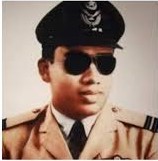
Bir Sreshtho Matiur Rahman is one of the famous personalities of Raipura Upazila. He died as a martyr in the Bangladesh Liberation War. Among the seven heroes, the authorities awarded them the highest honor, Bir Sreshtho, for their extreme bravery and valor in the great Liberation War of Bangladesh. Flight Lieutenant Matiur Rahman was one of them.
Bir Sreshtho Matiur Rahman was born on 29 October 1941 at his ancestral home, “Mobarak Lodge” at 109 Aga Sadeq Road in Old Dhaka. His ancestral home is in the village of Ramnagar (present-day Matiurnagar) in Musapur Union, Raipura Upazila, Narsingdi district. His father was Mawlovi Abdus Samad, and his mother was Syeda Mobarakunnesa Khatun. Among 9 brothers and 2 sisters, Matiur was the 6th. After passing the sixth grade at Dhaka Collegiate School, he gained admission to the Pakistan Air Force Public School in Sargodha. He passed the matriculation examination with distinction in the first division. He joined the Air Force in 1961. In June 1963, he received his commission from Risalpur PAF College, and the Air Force appointed him as a General Duty Pilot.
On the morning of 20 August 1971, at Mauripur Airbase in Karachi, he hijacked a fighter aircraft from one of his own trainees, Rashid Minhas. When Rashid informed the control tower, four other fighter jets chased Matiur’s aircraft. The aircraft crashed in the Thatta area, just 35 miles from the Indian border. As Matiur did not have a parachute, he was killed.
On 23 June 2006, the authorities brought his remains back to Bangladesh from Pakistan. He was reburied with full honors on 25 June at the Martyred Intellectuals Cemetery.
Famous Personalities of Raipura in Literature and Education
Shamsur Rahman
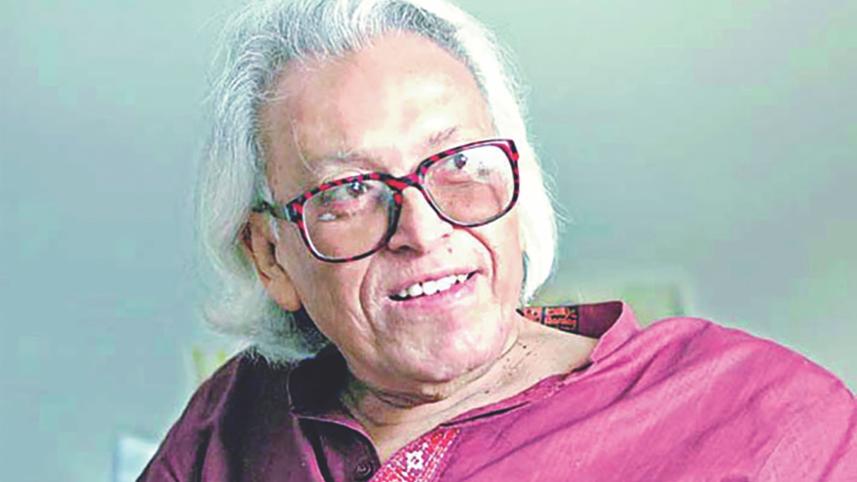
One of the leading poets of modern Bengali literature, Shamsur Rahman, was born in Mahuttuli of Old Dhaka. During his lifetime, People recognized him as one of the foremost poets of Bangladesh. In the second half of the twentieth century, particularly in the 1950s, he emerged as a modern poet in Bengali poetry and soon gained recognition in both Bengals (then East Pakistan and West Bengal). His ancestral home is in Paratali village of Raipura Upazila in Narsingdi district. Shamsur Rahman is another one of the famous personalities of Raipura Upazila.
Education and Professions
He passed matriculation from Pogose School in Dhaka in 1945 and I.A. from Dhaka College in 1947, and then enrolled in the Department of English at the University of Dhaka. However, he did not sit for the honors final examination, but completed his B.A. (pass course) in 1953. At the age of eighteen, he began writing poetry. His first poem, “Unish Sho Unoponchash,” was published in 1943 in the magazine Sonar Bangla edited by Nalinikishore Guha. “Rupali Snan” can be considered his introductory poem.
He started his career in journalism in 1957 as an assistant editor of the English daily Morning News. After working there for some time, he joined Radio Pakistan. From 1960 to 1964, he worked in radio, and in 1964, he rejoined the Morning News in a higher position.
For his contribution to Bengali literature, Shamsur Rahman received the Adamjee Award (1963), Bangla Academy Award (1969), Jibanananda Award (1973), Ekushey Padak (1977), Abul Mansur Ahmed Memorial Award (1981), Nasiruddin Gold Medal (1981), Bhashani Award (1982), Padabali Award (1984), and Independence Award (1992). For his contribution to journalism, he received the Mitsubishi Award from Japan in 1982. In 1994, Anandabazar Patrika of Kolkata awarded him the Anand Award. In the same year, Jadavpur University conferred upon him an honorary D.Litt. degree. He died in Dhaka on 17 August 2006.
Professor Alauddin Al Azad
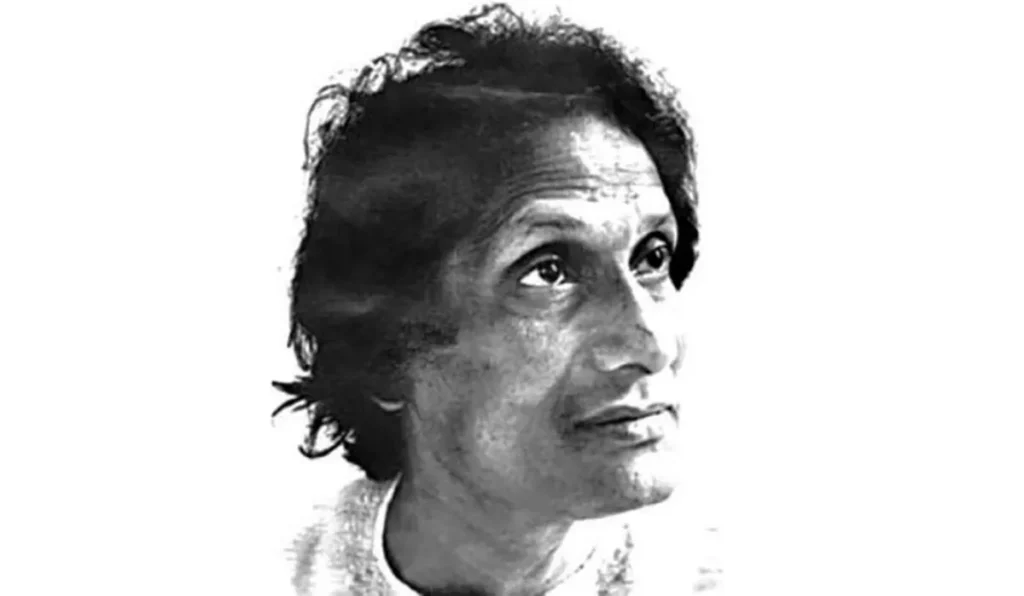
Professor Alauddin Al Azad was a renowned Bangladeshi novelist, essayist, poet, playwright, researcher, professor, and an active participant in the Language Movement of 1952. Alauddin Al Azad was born on 6 May 1932 in Ramnagar village of Raipura Upazila in Narsingdi district. Alauddin Al Azad was a writer of sharp language and a sculptor of real life. Reality shaped his linguistic construction. He largely avoided Sanskritized words. He mainly portrayed middle and lower-middle-class families. His writings reflect a hopeful, struggling mindset and the complexities of urban life.
Education
He passed entrance examination from Narayanpur Sharafatullah High School (1947), higher secondary from Dhaka Intermediate College (1949), B.A. (Honours) in Bengali language and literature (1953) and M.A. (1954) from the University of Dhaka, and obtained a PhD (1970) from the University of London for research on the life and poetry of Ishwar Chandra Gupta. Later, he also received advanced training in comparative literature from the University (1983). During his student life, he was involved in student politics and served as literary secretary and annual editor of the Dhaka Intermediate College student union (1947–49).
Professions
During his student life, he worked part-time in newspapers. After completing his studies, he taught at Tolaram College in Narayanganj (1955), Jagannath College in Dhaka (1956–61), MC College in Sylhet (1962–68), and Chittagong Government College (1964–67). He served as the principal of Dhaka College for one year (1974–75). After working as Education Attaché at the Bangladesh Embassy in Moscow (1976–81), he served as Cultural Adviser to the Government of Bangladesh (1982–89). He also served as Nazrul Professor and Director of the Nazrul Research Centre at the University of Chittagong (1990–92).
He emerged in the literary field in the 1950s and was among those who enriched Bengali literature during that period. He practiced literature with progressive and humanistic ideals. His early life in the village, the struggles of people, and the richness and destruction of nature left a deep impression on him. Artificiality of urban life, political struggles, oppression, and deception became themes of his fiction. His notable story collections include Jege Achi (1950), Dhankanya (1951), and Jibon Jomin (1988). His novels Teish Number Toilochitra (1960) and Karnaphuli (1962) created a significant impact. Other notable novels include Shiter Shesh Raat Bosonter Prothom Din (1962), Khudha O Asha (1964), and Shyamol Chhayar Sangbad (1986). His plays, such as Morocco’r Jadukar (1959), Mayabi Prohor (1963), and Dhonnobad (1965), are highly life-oriented.
Among his poetry collections, Manchitra (1961), Vorer Nodir Mohonay Jagoron (1962), Lelihan Pandulipi (1975), Nikhoj Sonnetguchchho (1983), Sajghor (1990), and Shreshtho Kobita (1987) are notable.
For his contributions to literature, he received several awards, including the Bangla Academy Award (1964), UNESCO Award (1964), National Film Award (1971), Ekushey Padak (1986), and Deshbandhu Chittaranjan Das Gold Medal (1994). He died in Dhaka on 3 July 2009.
Safiuddin Ahmed
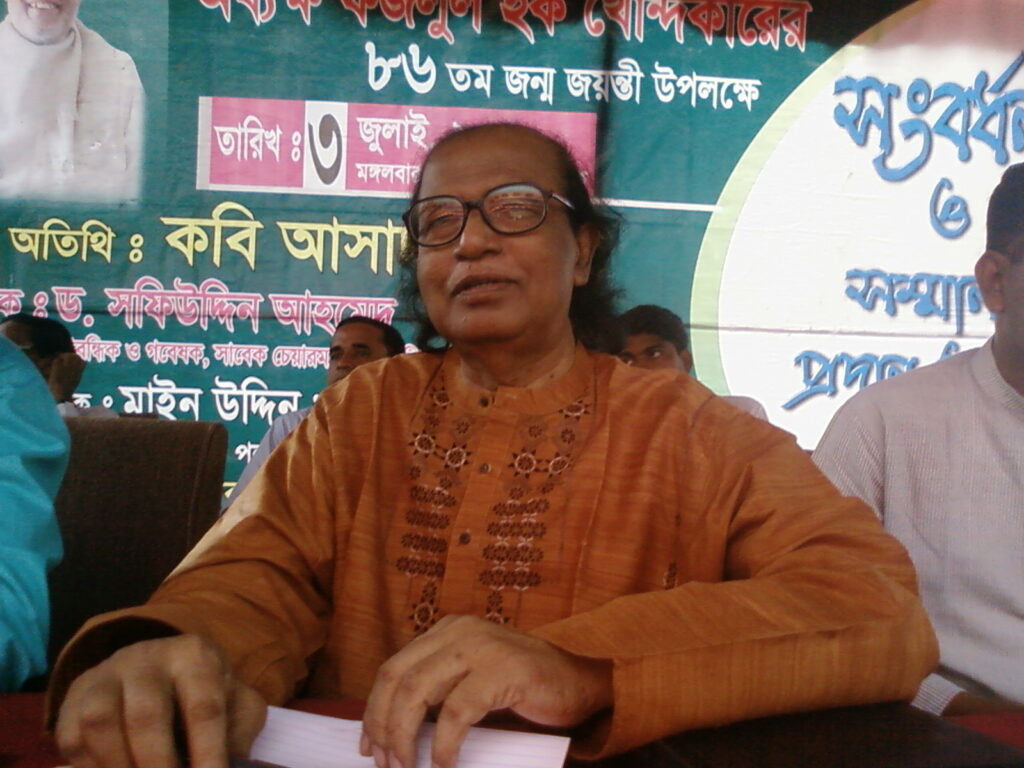
Safiuddin Ahmed was a distinguished Bangladeshi researcher in language and literature. He was a scholar in Bengali literature, comparative criticism, and world literature, and a knowledgeable, socially conscious, and progressive-minded original researcher.
He was born on 19 October 1941 in Raipura Upazila of Narsingdi district, Bangladesh. His father, Md. Abdus Samad Molla was a social worker and teacher, and his mother, Dilbarun Nesa, was a socially aware woman.
Education and Professions
He passed matriculation from Raipura R.K.R.M. High School in 1960 and I.A. from Dhaka College in 1962. He then obtained B.A. and M.A. degrees from the Department of Bengali at the University of Dhaka. Later, he pursued higher studies in comparative literature at Jadavpur University and in Rabindra literature at Visva-Bharati University, earning a PhD degree.
In his early life, he wrote poetry and short stories, many of which were published in newspapers such as Sangbad and Ittefaq. His stories like “Manushgorar Karigor”, “Dak Pion”, “Merudondo”, “Uttoron”, “Siri”, “Eid Mane Anondo”, and “Ora Amader Keno Khete Day Na” attracted readers’ attention. “Dak Pion” and “Merudondo” were translated into Russian by Evnev Kridrov, and “Manush Gorar Karigor” was translated into French by Noel Garnier. He was also skilled in translating foreign literature. His research and literary works are diverse. He authored a total of thirty-five research books, including twelve published by Bangla Academy, and published around fifty research articles in reputed journals.
Safiuddin Ahmed passed away on 24 February 2026 at the age of 84 at his residence in Naya Paltan, Dhaka.
Abu Ahsan Md. Shamsul Arefin Siddique
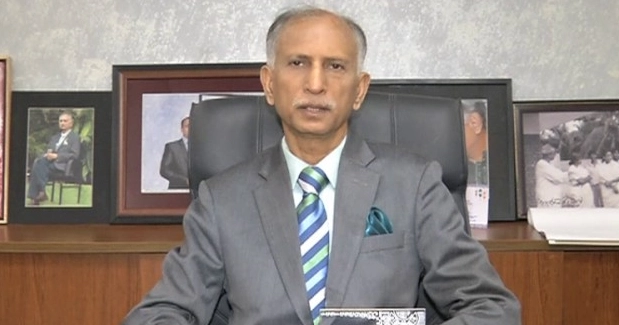
Abu Ahsan Md. Shamsul Arefin Siddique was a Bangladeshi professor and former Vice-Chancellor of the University of Dhaka. He was born on 26 October 1953 at his ancestral home on Green Road in Dhanmondi, Dhaka. His ancestral home is in Bashgari village of Bashgari Union in Raipura Upazila of Narsingdi district. On 15 January 2009, the authorities appointed him as the 27th Vice-Chancellor of the University of Dhaka. He was also a teacher in the Department of Mass Communication and Journalism of the same university. He served as president and general secretary of the Dhaka University Teachers’ Association. On 15 July 2020, the management appointed him chairman of the Board of Directors of Bangladesh Sangbad Sangstha. He also served as chairman of the Board of Trustees of the Bangladesh National Museum.
Education and Professions
Due to his father’s job transfers in WAPDA, he spent his childhood and adolescence in different places. His first school was BL School in Sirajganj, followed by Victoria School. Later, after his father was transferred to Khulna, he passed SSC in science from Daulatpur Mohsin School in 1969 and HSC from Government BL College in 1972. He initially enrolled in the Mathematics Department of the University of Dhaka in 1972 but later shifted his focus to journalism. He completed his BSc from Dhaka College in 1974 and then obtained a Master’s degree in Journalism from the University of Dhaka in 1977.
In 1980, he joined the Department of Mass Communication and Journalism at the University of Dhaka as a lecturer. In 1986, he obtained a PhD from Mysore University in India. He also received advanced training in agricultural journalism from the International Rice Research Institute in the Philippines and in communication from Cornell University in the United States. He later served as a visiting fellow at Southern Illinois University, Carbondale, and received project evaluation training from the University of Minnesota.
Arefin Siddique passed away on the night of 13 March 2025 while undergoing treatment at Ibrahim Cardiac Hospital due to a stroke and brain hemorrhage.